
What Causes Gas Line Leaks in Homes?
People searching for gas line leak repair are usually trying to stop dangerous leaks caused by corrosion, damage, or aging, and local service providers can safely handle the repairs.
Understanding what causes gas line leaks in homes is essential for property owners who want to maintain a safe and reliable energy supply. Gas line leaks can stem from a variety of factors, including corrosion over time, ground shifting, improper installation, or accidental damage during nearby construction or landscaping. Recognizing these common causes can help homeowners identify potential issues early, preventing costly repairs and ensuring the safety of everyone in the household.
For those in the area exploring options for gas line leak repair, knowing the typical reasons behind leaks highlights the importance of professional service providers. Local contractors experienced in gas line services can assess the situation accurately and address the root cause of the leak. Keeping informed about what causes gas line leaks in homes can empower property owners to seek timely assistance, ensuring their systems operate safely and efficiently.
- Gas line inspection - homeowners noticing a smell of gas or suspecting a leak can rely on local contractors to perform thorough inspections and identify potential issues.
- Gas line repair - if corrosion, damage, or deterioration is found, local service providers can handle repairs to restore safe gas flow and prevent leaks.
- Pipe replacement services - aging or severely damaged gas lines may require replacement, with local pros ensuring proper installation to avoid future leaks.
- Leak detection services - when the cause of a suspected leak is unclear, local pros utilize specialized tools to pinpoint leak locations accurately.
- Gas line maintenance - routine maintenance performed by local contractors can help prevent leaks caused by wear and tear over time.
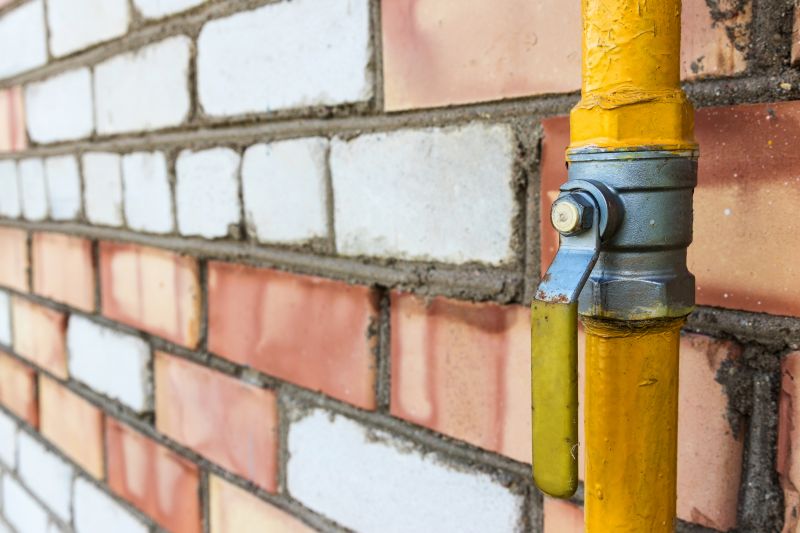
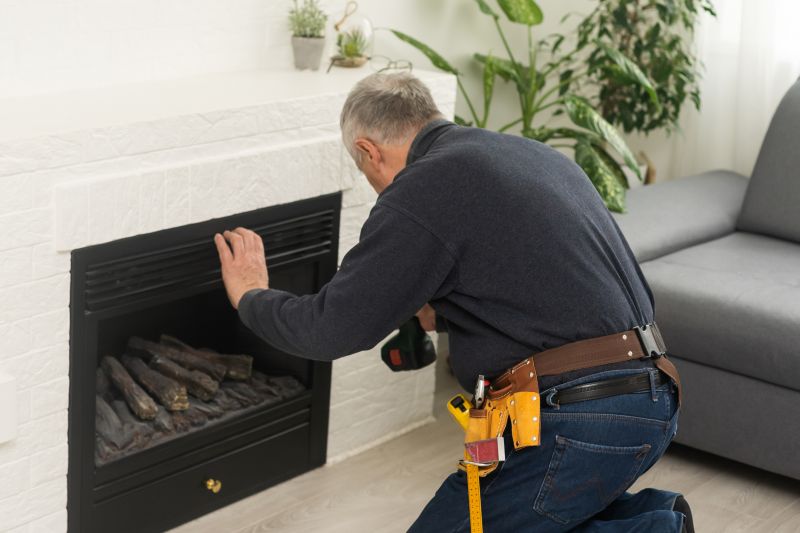
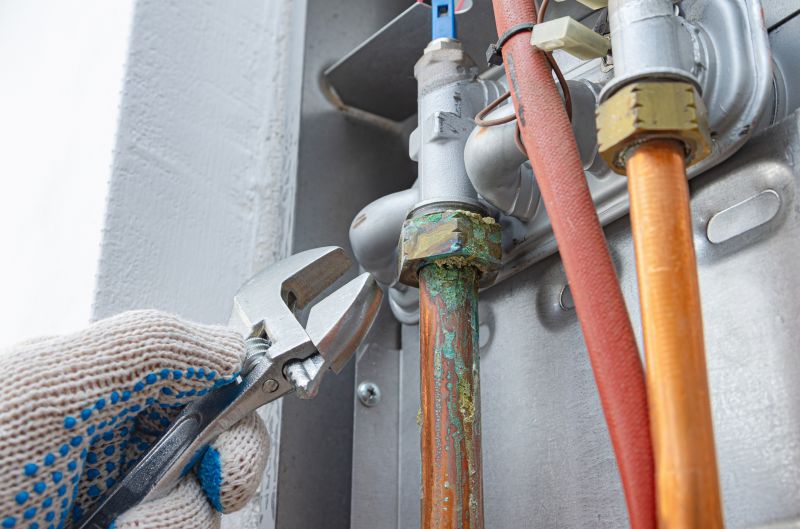
Understanding what causes gas line leaks in homes is an important step for homeowners concerned about safety and proper maintenance. When people search this topic, they often want to know why a gas line might develop leaks, what signs to look for, and how to prevent potential hazards. Gas line leaks can stem from various issues, including aging pipes, corrosion, improper installation, or physical damage. Recognizing these causes helps homeowners identify problems early and plan for repairs, which often involve professional gas line leak repair services. Knowing the root causes also assists in making informed decisions about upgrades or replacements to ensure the safety and efficiency of a home's gas system.
The problems related to gas line leaks tend to connect with broader concerns about household safety, appliance operation, and energy efficiency. For example, a leak might result in a noticeable smell of gas, hissing sounds near pipes, or decreased appliance performance. These issues can lead homeowners to consider repair or replacement plans, especially if the leak is persistent or worsening. Additionally, some property owners might be planning renovations or property upgrades that involve moving or modifying gas lines, increasing the importance of understanding what causes leaks. Local service providers who specialize in gas line leak repair are essential resources for addressing these problems effectively and safely, ensuring that any work complies with local codes and standards.
The types of properties most commonly affected by gas line leaks include older homes with outdated piping systems, residential buildings undergoing renovations, and properties with visible signs of wear or damage to existing gas lines. Single-family houses, multi-family dwellings, and even some commercial properties may experience leaks if their gas infrastructure has deteriorated over time. Urban areas with older infrastructure tend to see higher incidences of leaks due to corrosion or physical damage from nearby construction. For homeowners in these settings, understanding the causes of leaks helps them recognize when to seek professional inspection and repair services, which local contractors can provide to maintain safety and operational integrity.
Since many gas line leaks are caused by factors like corrosion, physical damage, or improper installation, local pros play a crucial role in diagnosing and fixing these issues. They bring the expertise needed to identify the specific cause of a leak, whether it’s due to aging pipes, accidental damage during nearby construction, or faulty connections. Engaging experienced service providers ensures that repairs are performed correctly and reliably, reducing the risk of future leaks. For homeowners, connecting with local contractors who specialize in gas line leak repair provides peace of mind, knowing that qualified professionals are handling the problem with the appropriate tools and knowledge. This proactive approach helps maintain a safe and functional gas system within the property.
Gas Line Installation Projects - These projects involve planning and installing new gas lines, requiring knowledge of proper routing and safety measures similar to leak repair services.
Plumbing Repair Services - Plumbing repairs often address issues with gas or water lines, sharing skills in pipe handling, troubleshooting, and system diagnostics relevant to gas line leak detection.
Appliance Hookup & Maintenance - Connecting and maintaining gas-powered appliances involves understanding gas supply lines and ensuring secure connections, paralleling leak prevention efforts.
Gas Line Inspection & Testing - Inspection projects focus on identifying potential leaks or vulnerabilities in gas systems, utilizing tools and planning strategies similar to leak repairs.
Corrosion & Pipe Replacement Projects - Replacing aging or corroded pipes requires planning and technical skills comparable to diagnosing and fixing gas line leaks caused by deterioration.
Home Renovation & Remodeling - Renovation projects often involve rerouting or upgrading gas lines, requiring the same careful planning and safety considerations as leak repair services.
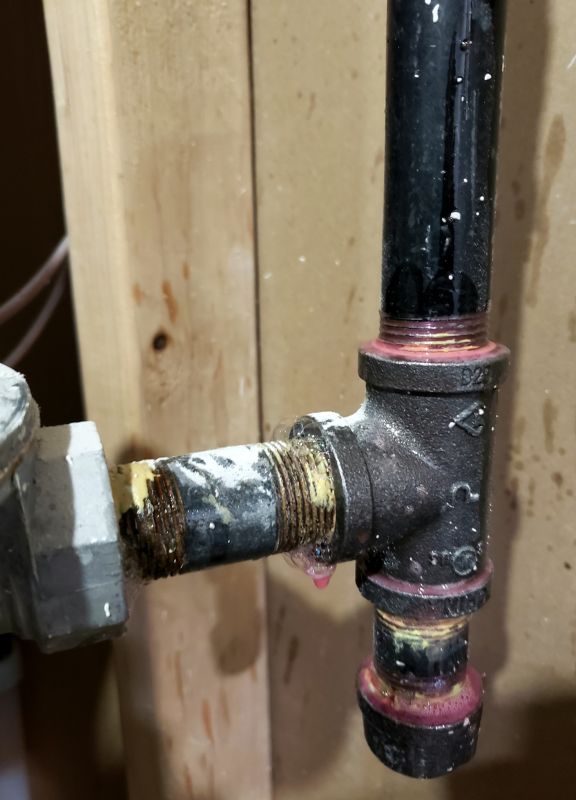
When comparing service providers for gas line leak repair, it’s important to consider their experience with similar projects. Homeowners should look into how long a local contractor has been handling gas line repairs and whether they have a track record of successfully addressing issues related to what causes gas line leaks in homes. An experienced professional will be familiar with common causes such as corrosion, improper installation, or damage from nearby construction, and will be better equipped to diagnose and resolve the problem efficiently.
Clear written expectations are essential when evaluating potential service providers. Homeowners should seek out contractors who can provide detailed descriptions of the repair process, including what to expect during the work and any necessary follow-up steps. This clarity helps ensure that both parties are aligned on the scope of work and reduces the chances of misunderstandings. A reputable local contractor should also be transparent about the materials used and the methods employed to locate and fix leaks, especially when dealing with issues stemming from corrosion or aging pipes.
Reputable references and good communication are key factors to consider when choosing a service provider. Homeowners can ask for recommendations or read reviews to gauge the quality of previous work. A contractor who maintains open lines of communication, responds promptly to questions, and provides thorough explanations can make the repair process smoother and more predictable. Since gas line leak repairs can involve complex diagnostics, working with a provider who communicates clearly and demonstrates professionalism can help ensure the issue is addressed safely and effectively.
Property owners often search for what causes gas line leaks in homes? when they are planning practical projects around their homes and businesses. Local pros provide Gas Line Leak Repair services for everyday jobs and straightforward project options.
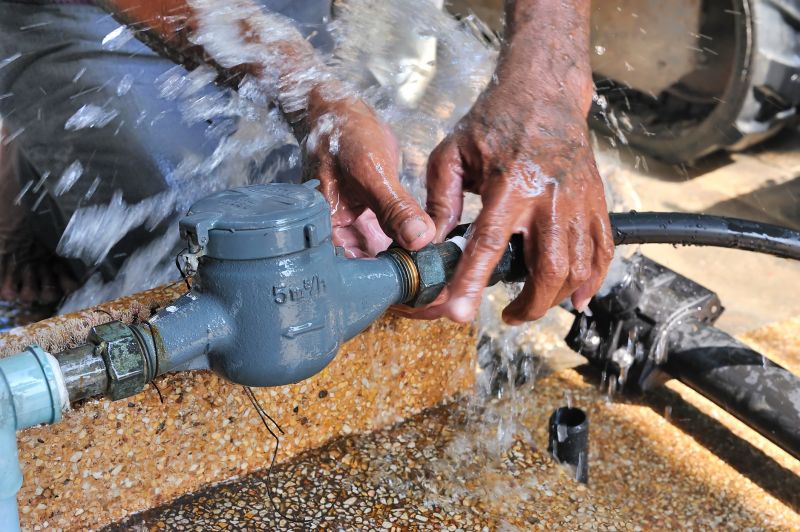
Gas line leaks in homes can often be caused by everyday issues such as aging pipes, corrosion, or accidental damage during renovations or digging projects. Over time, exposure to moisture and soil conditions can weaken gas lines, leading to potential leaks. Additionally, improper installation or connections that loosen over time may also contribute to gas escaping from the system. Homeowners in the area who notice the smell of gas or suspect a leak should consider reaching out to local contractors experienced in gas line repair to assess and address these common causes safely.
Other factors that can lead to gas line leaks include ground movement or shifting, which may stress or crack pipes, especially in areas prone to soil settling. Heavy construction work nearby or accidental impact from landscaping equipment can also damage underground lines. Since these issues can pose safety risks, property owners often look for local service providers skilled in leak detection and repair. These professionals can evaluate the situation, identify the source of the leak, and perform necessary repairs to restore safety and functionality to the gas system.
What causes gas line leaks in homes? Gas line leaks can be caused by corrosion, physical damage, improper installation, or aging pipes that weaken over time. These issues can lead to small cracks or holes where gas escapes.
How does corrosion lead to gas line leaks? Corrosion occurs when metal pipes react with moisture or chemicals in the environment, causing deterioration and creating weak spots that can develop into leaks.
Can physical damage cause gas line leaks? Yes, accidental impacts from construction, digging, or shifting soil can damage gas lines, resulting in leaks or potential hazards.
Why do improper installation practices cause leaks? Incorrect fitting, poor sealing, or using incompatible materials during installation can create vulnerabilities that may lead to leaks over time.
How do aging pipes contribute to gas line leaks? Over years of use, pipes may corrode, crack, or degrade, increasing the risk of leaks that require repair by local contractors.
Corrosion and Rust - Property owners can recognize signs of corrosion on exposed gas lines and schedule inspections with local contractors to prevent leaks caused by material deterioration.
- Homeowners should be aware of potential damage from nearby construction or landscaping, prompting professional assessments and repairs by local pros.
- Ensuring gas lines are installed correctly during renovations or new installations can be verified with local contractors to reduce leak risks.
- Regular inspections of older gas lines by local service providers can identify weaknesses before leaks develop, supporting proactive maintenance.
If you are thinking about what causes gas line leaks in homes? for a property, this guide is meant to help you understand this topic, the typical project types, and how different options might fit your plans.
When you are ready, you can use the quote form on this page to share a few details about your project. From there, local pros can review the basics and follow up with options that match what you have in mind.